
Hyperliquid’s pitch extends beyond its origins as an on-chain perpetual futures venue: its founder, Jeff, has described a network that could support broader financial activity. In an article published on November 6, 2026, at 16:20 UTC+8, PANews examined why that ambition—and growing attention from traditional finance—had not kept HYPE near its recent highs.
HYPE reached a reported record of $97.90 in late September and approached $97 again in late October. Citing CoinGecko, PANews said it had fallen 19.6% from its October 30 high by the time of publication. The retreat does not, by itself, establish which of several proposed pressures mattered most.
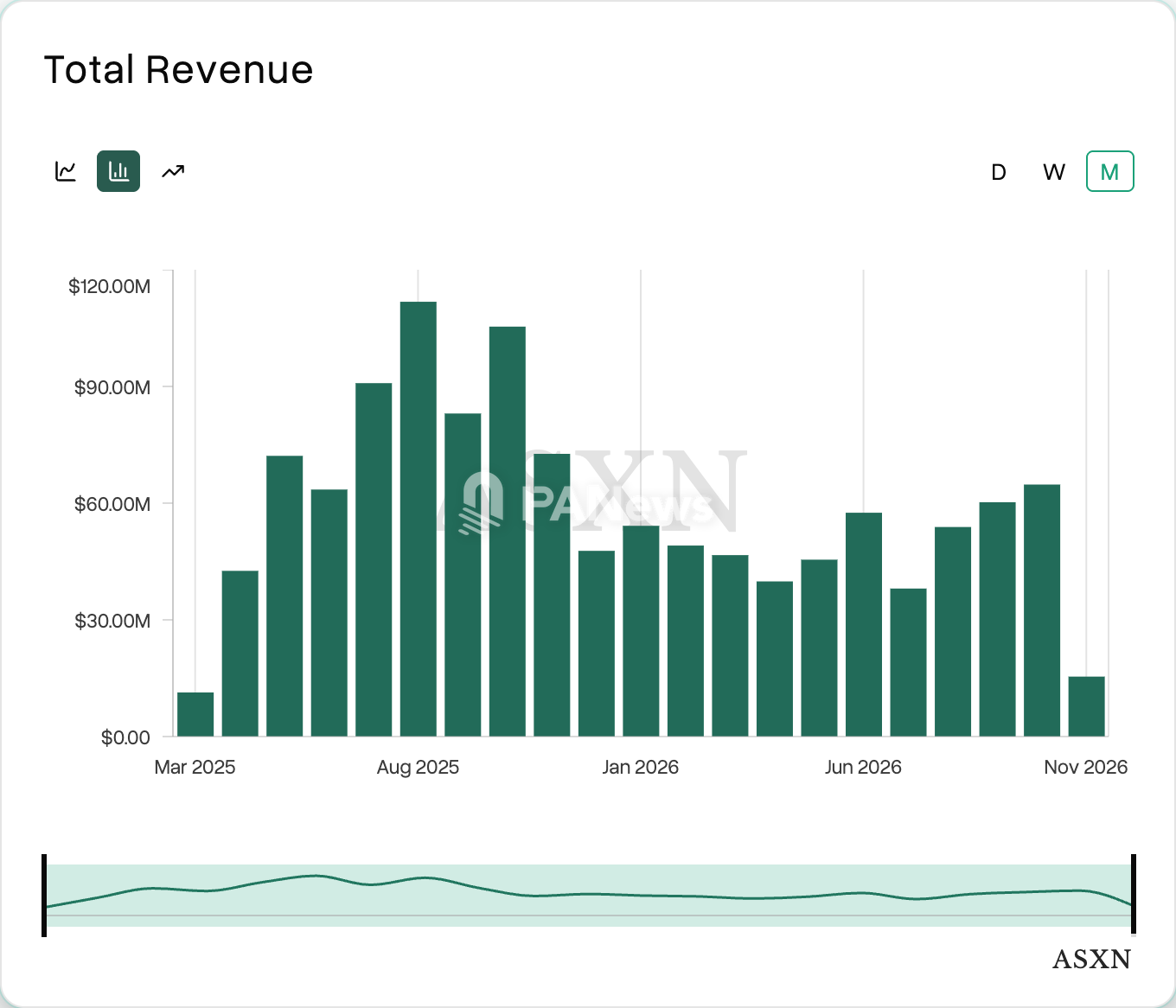
Revenue is real; the expansion story remains conditional
PANews cited Hyper Screener figures showing more than $1.23 billion in cumulative protocol revenue as of November 6, with about $1.2 billion, or 97.5%, used for token buybacks. It also cited DeFiLlama data showing $68.88 million in revenue over the preceding 30 days. Those figures provide a firmer basis for assessing the project than institutional attention alone, but buybacks have not prevented a price decline.
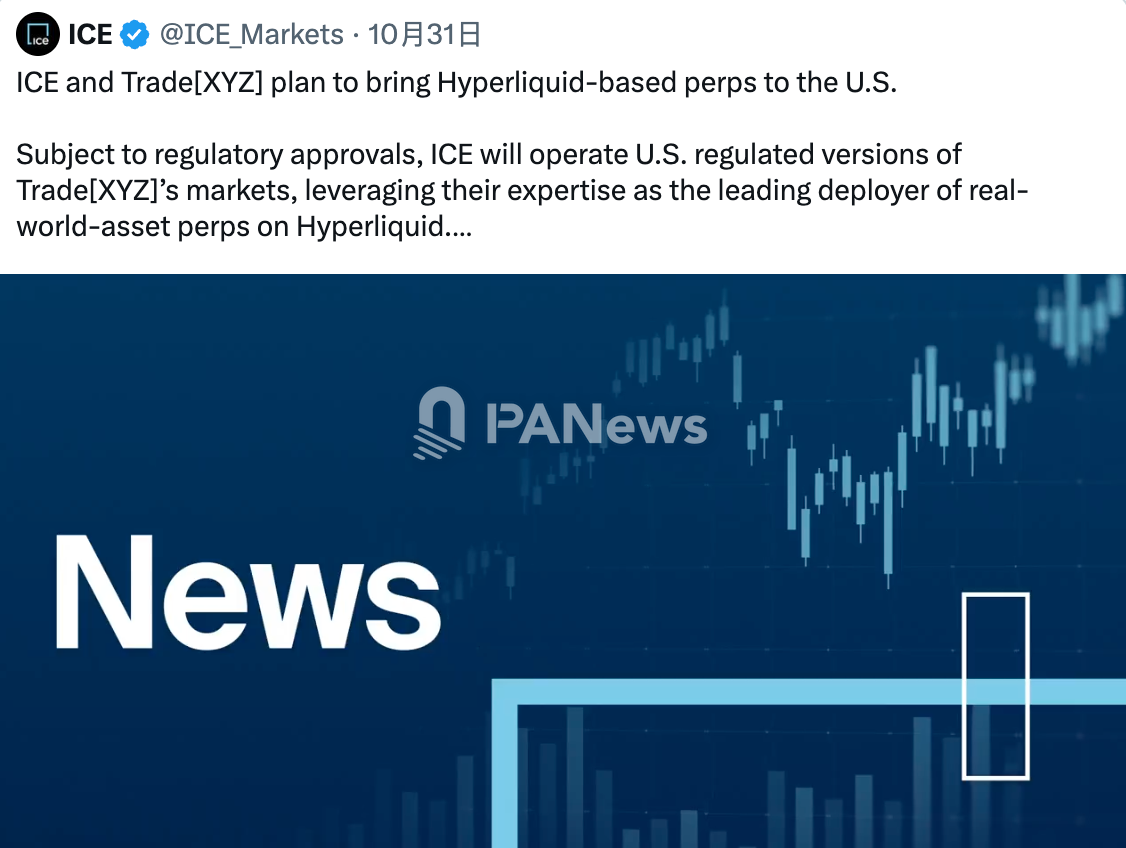
The prospective US-market opportunity is less settled. According to PANews, ICE revised an announcement concerning Trade.xyz to emphasize that introducing Hyperliquid-based perpetual contracts was planned and subject to regulatory approval. A proposed route into the market is therefore not yet evidence of approved access, new users or additional revenue. PANews also reported that HypeStrat Markets, a subsidiary of Hyperliquid Strategies, had applied to register as a CFTC futures commission merchant; approval was not established.
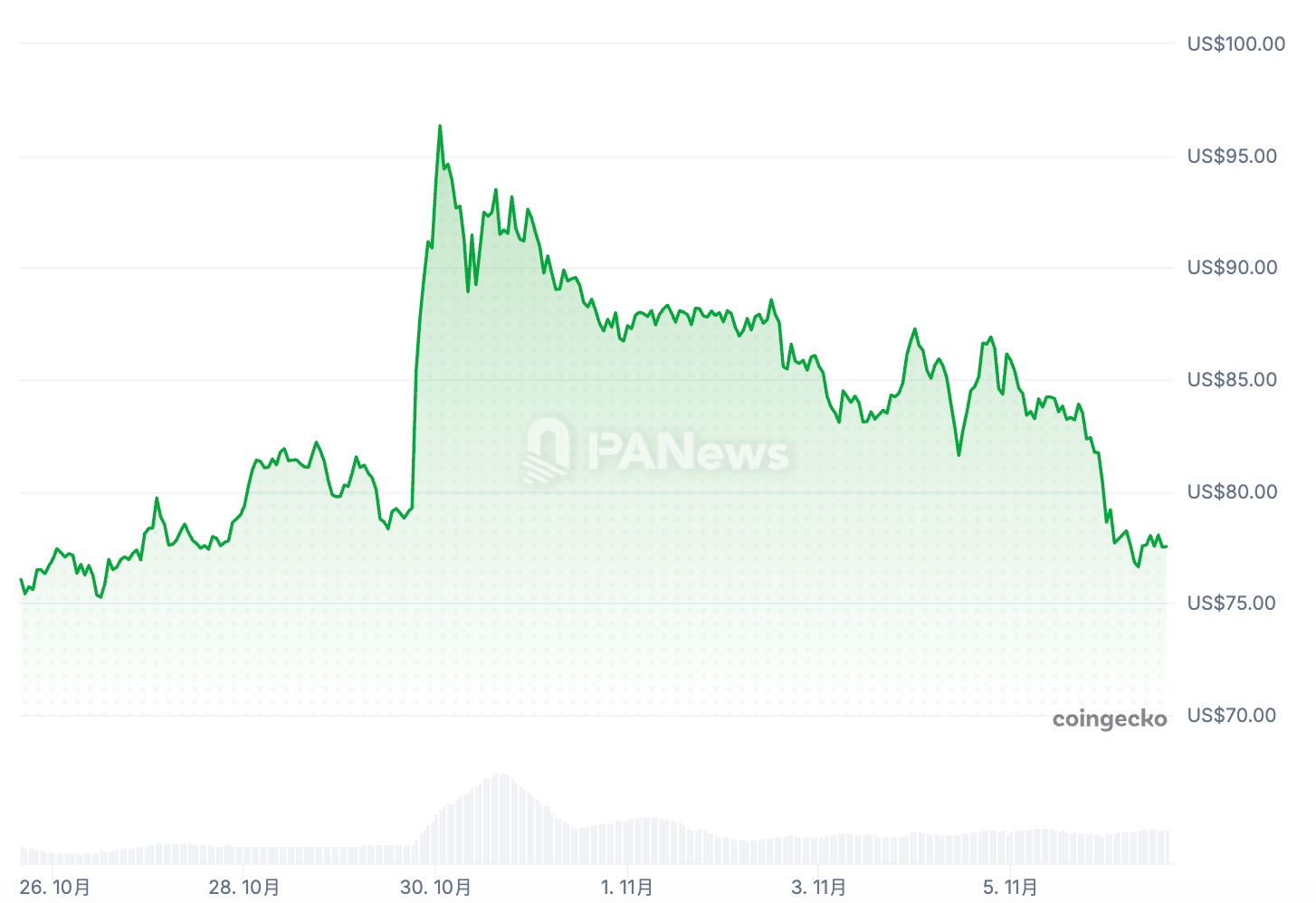
What the selling evidence does—and does not—show
PANews cited Santiment data indicating that four whale wallets closed HYPE long positions on October 30 for roughly $5 million in combined profit. It also cited Lookonchain’s report that two addresses sold about 1.21 million HYPE on October 31 for more than $26.5 million in profit. These are reported transactions, not proof that every subsequent large movement was a sale. In particular, PANews noted that Paradigm’s reported unstaking of 2.55 million HYPE, worth about $224 million, might have been wallet reorganization, given a similar earlier move.
A separate supply concern was a planned distribution of 180,000 HYPE to team members on November 6, 2026. PANews calculated that amount at 0.075% of roughly 239 million circulating tokens. The allocation could affect expectations, but its stated size alone does not demonstrate substantial open-market selling.
The evidence gap is the distance between Hyperliquid’s documented revenue and its proposed role in US financial infrastructure. Regulatory approval, competitive pressure and the effect of token-holder activity remained unresolved in the original reporting; neither a Wall Street connection nor a price decline settles those questions.